
Vehicle maintenance has a different level of importance in every season. Changing weather conditions and road circumstances can affect a vehicle’s performance and long-term durability. As Atlas Rent A Car, we pay close attention to the maintenance of our vehicles and take all necessary precautions to provide our customers with a safe and comfortable driving experience. Seasonal maintenance helps vehicles operate properly and prevents potential breakdowns before they happen. Here are some important tips for seasonal maintenance:
During winter months, cold weather can significantly impact a vehicle’s performance. Your vehicle’s engine may take longer to warm up in low temperatures, which can increase fuel consumption and reduce engine efficiency. Ensuring that the cooling system works properly and that the antifreeze level is correct is extremely important for keeping the engine running in a healthy way. For the engine to operate efficiently without overheating, the antifreeze fluid must be at the appropriate level and fresh. In addition, checking the cooling system for leaks helps prevent engine overheating in cold weather and reduces the risk of major failures.
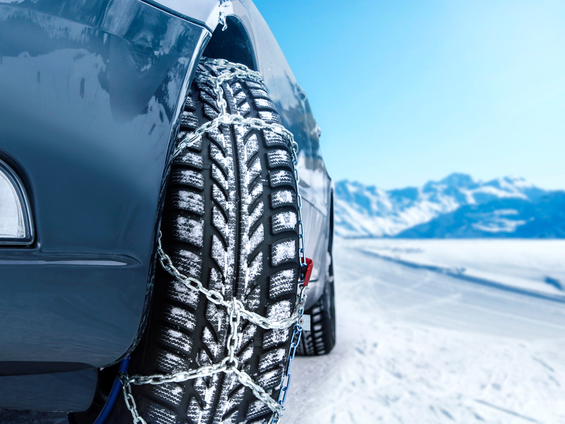
In winter, the condition of your tires is also very important. On snowy and icy roads, standard tires can reduce traction, leading to skidding and accidents. Winter tires remain softer and more flexible in low temperatures, which improves road grip. At the same time, winter tire tread patterns help evacuate water and snow, preventing the vehicle from slipping. Changing to winter tires before the season begins increases safety, especially on slippery roads. Also, maintaining correct tire pressure extends tire life and improves traction.
In summer, hot weather can strain the engine and other vehicle systems. When the engine overheats, fuel consumption increases and the engine’s lifespan may shorten. Therefore, it is important to make sure the radiator and cooling system are functioning properly. To prevent overheating in summer, you should ensure the coolant level is sufficient. Cleaning the radiator and checking for any blockage helps prevent the engine from overheating. In addition, it may be necessary to replace the coolant, because old fluids can reduce cooling efficiency.
In hot conditions, the air-conditioning system is also very important. The temperature inside the vehicle is a major factor for a comfortable drive. For the A/C to operate efficiently, refrigerant (gas) levels should be checked regularly and filters should be cleaned. In addition, attention should be paid to keeping the ventilation channels inside the A/C system from becoming clogged. Regular A/C maintenance not only improves the air quality inside the vehicle, but also helps prevent window fogging and supports safer driving. On hot summer days, a properly working A/C system increases driving comfort.
Spring is an ideal time to maintain your vehicle. Throughout winter, your vehicle may have been covered with salt, mud, and other contaminants. For this reason, exterior and interior cleaning should be carried out in spring. Road salt buildup can cause corrosion on metal surfaces, which can prevent your vehicle from lasting longer. Spring cleaning helps protect the exterior surfaces of your vehicle while also keeping the engine in better condition. A vehicle cleared of the harsh effects of winter road conditions operates more efficiently.
The braking system plays a crucial role, especially under harsh winter road conditions. Cold weather, ice, and salt can wear down brake pads. In spring, you should inspect your brakes, check brake pad thickness, and review the brake fluid level. In addition, brake hoses should be checked for any damage. These inspections are critical for safe driving. If any issues are detected in the braking system, immediate action is required. Slow-responding brakes can compromise safety over long distances.
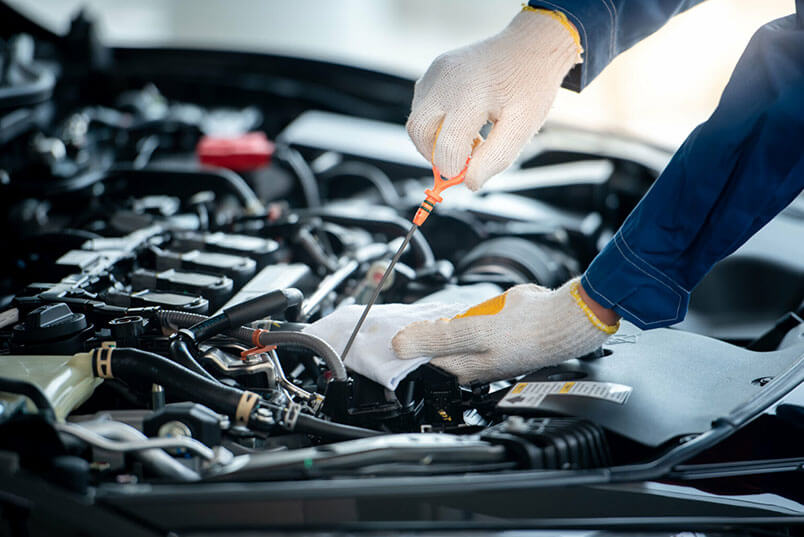
Autumn is the best time to prepare for winter. Before entering winter, your vehicle’s engine, cooling system, and tires should be reviewed. Harsh winter conditions can negatively affect vehicle performance. Engine oil can become thicker in low temperatures, causing the engine to work harder when starting. For this reason, an oil change should be performed in autumn and the engine’s overall condition should be reviewed. In addition, antifreeze levels should be checked. Sufficient antifreeze supports proper engine operation and prevents overheating.
In autumn, checking headlights and lighting systems is also very important. As days become shorter and weather conditions change, properly working headlights are a major safety factor. Headlight brightness can decrease over time, which may shorten visibility distance at night. Headlight alignment ensures the light is projected at the correct angle and helps prevent possible accidents. Besides headlights, it is also important to make sure brake lights and turn signals work properly. When these systems operate correctly, driving safety increases and other drivers can notice you more easily.