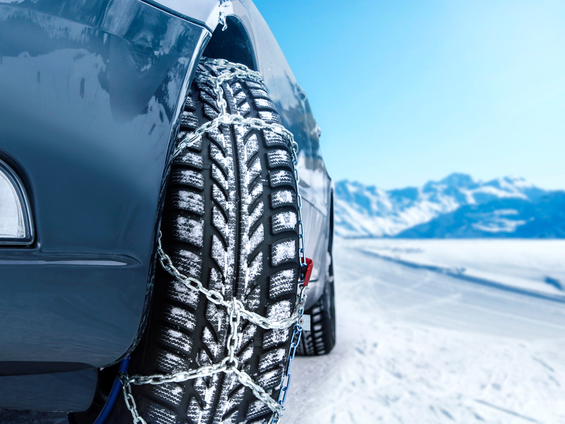


Winter months require extra attention when it comes to vehicle use due to harsher road conditions and changing weather. Especially for users who prefer car rental, this period makes it essential to both choose the right vehicle and fully apply safety precautions. Snow, ice, rain, and low temperatures directly affect driving safety. Therefore, when renting a car in winter, it is crucial to act consciously not only with a price focus but also in terms of safety and preparedness.
Car rental during winter months involves different dynamics compared to the summer period. More challenging road conditions, lower temperatures, and reduced visibility make the equipment and maintenance status of the rented vehicle even more critical. During this period, users should consider not only comfort but also the safety features of the vehicle.
Additionally, heavy rainfall and sudden weather changes in winter can make unplanned journeys difficult. For this reason, flexibility, roadside assistance services, and technical support become much more important in the car rental process. Setting off with a vehicle that is not suitable for winter conditions can put both the driver and passengers at risk.
Sabiha Gökçen car rental services by Atlas Rent A Car add comfort to your journey with fast airport delivery and attractive pricing advantages.
One of the most important steps when renting a car in winter is choosing the right type of vehicle. Especially on snowy and icy roads, vehicles with strong road grip, adequate safety equipment, and proper maintenance should be preferred. Vehicle segment selection should be based on the region and road conditions where driving will take place.
Some key points to consider when choosing a vehicle in winter include:
Availability of winter tires
Presence of ABS, ESP, and traction control systems
Preference for vehicles with sufficient ground clearance
Proper functioning of heating and defogging systems
Vehicles that meet these criteria significantly increase driving safety under harsh winter conditions. These details are especially vital for long-distance and intercity journeys.
Checks carried out during vehicle pickup in winter play a critical role in preventing potential problems. Instead of focusing only on exterior appearance, the vehicle’s technical and safety equipment should be examined in detail. These checks minimize risks that may arise during the journey.
At vehicle pickup, the following elements should be checked carefully:
Tire tread depth and winter tire condition
Windshield wipers and washer fluid level
Headlights, fog lights, and indicators
Operation of heating, air conditioning, and window defrosters
Antifreeze level
Recording these checks in the delivery report and documenting them with photos if possible helps prevent potential disputes.
In winter months, renting a car is not enough on its own; using the vehicle correctly and safely is just as important. Slippery surfaces, sudden braking, and reduced visibility require driving habits to be adapted to winter conditions. A more cautious and controlled driving style should be adopted.
Key points to consider for safe winter driving include:
Maintaining a longer following distance than usual
Avoiding sudden acceleration and harsh braking
Entering corners at lower speeds
Adjusting speed according to weather conditions
These habits greatly contribute to preventing accidents in winter conditions and ensure a safer journey.
When renting a car in winter, insurance coverage and roadside assistance services become more important than ever. Minor accidents or technical failures on snowy and icy roads can cause serious inconvenience. Therefore, insurance details in the rental agreement should be carefully reviewed.
Especially in winter, the availability of the following insurance and services provides a major advantage:
Comprehensive insurance and mini damage coverage
24/7 roadside assistance service
Tire puncture and battery support
Towing and replacement vehicle service
These services protect the driver’s safety and comfort in unexpected situations and prevent journeys from being interrupted.
Long-distance and intercity travel during winter requires more detailed planning. Checking road conditions in advance, monitoring weather forecasts, and identifying alternative routes are essential. Rental duration and return plans should also remain flexible.
Before long journeys, make sure to:
Check current weather and road conditions
Carry necessary equipment (snow chains, reflector, first aid kit)
Regularly monitor fuel levels
These preparations ensure safer and less stressful journeys in winter conditions.
During winter, contract details become much more critical compared to the summer period. Challenging weather conditions, potential delays, and unexpected situations require careful review of contractual clauses. Policies regarding late returns, road closures, adverse weather, and forced waiting periods can directly affect users.
Particular attention should be paid to delay penalties, return time tolerance, insurance coverage, and roadside assistance conditions. Clauses regarding chain usage, winter tire requirements, and liability sharing in case of damage should also be clearly stated.
In winter, supporting the vehicle with additional equipment beyond standard features provides significant safety advantages. Snow and ice can make even normally safe roads risky.
Recommended equipment for a rented vehicle in winter includes:
Snow chains or snow socks
Reflector and warning triangle
First aid kit
Gloves, blanket, and flashlight
Windshield ice remover and tow rope
These items increase safety in emergencies, especially during intercity or rural driving.
Cold weather directly affects fuel consumption and vehicle performance. Engines take longer to reach optimal operating temperature, which can increase fuel usage.
To balance fuel consumption and maintain performance in winter:
Avoid sudden acceleration when the engine is cold
Limit long idling periods
Regularly check tire pressure
Avoid carrying unnecessary weight
These habits help control fuel costs and ensure safer, more stable vehicle use.
Driving in winter requires psychological readiness as well as physical preparation. Slippery roads and sudden weather changes can cause stress and anxiety, increasing the risk of mistakes.
Drivers should avoid driving while tired or sleepy and remain patient, accepting possible delays caused by weather conditions.
Making the winter car rental process safe and comfortable largely depends on user awareness. Proper vehicle selection, detailed inspections, comprehensive insurance, and cautious driving habits make even harsh conditions manageable.
In summary, when renting a car in winter:
Always prioritize safety over cost
Review contract and insurance details thoroughly
Plan flexibly according to weather and road conditions
Avoid rushed and risky driving
When all these elements come together, renting a car in winter becomes not just a transportation solution but a safe and controlled travel experience.